
Embarking on a journey with physiotherapy rehabilitation can seem daunting. This article aims to demystify the process, equipping first-time patients with essential knowledge on what to expect, from the initial visit, through therapy sessions, to post-therapy self-care.
It underlines the importance of consistency in therapy and the role of self-care in achieving desired freedom from pain or mobility restrictions physiotherapy malaysia. Empower yourself with understanding to make this journey as smooth and effective as possible.
Understanding Physiotherapy Rehabilitation
During the course of their treatment, first-time patients at a physio rehab center will come to understand that physiotherapy rehabilitation is a comprehensive process designed to help individuals regain their strength, mobility https://rehabbeephysio.com/, and overall well-being. This process isn’t a quick fix; rather, it is a journey towards the restoration of physical abilities.
Physiotherapy rehabilitation primarily involves evidence-based therapies and exercises aimed at enhancing the body’s natural healing process. These techniques focus on improving the patient’s physical condition, reducing pain, and promoting optimal body function.
The ultimate goal is to empower patients, providing them with the tools and knowledge to manage their condition and reclaim their independence. This journey to recovery does require commitment, perseverance, and patience. It’s important to remember that every individual’s rehabilitation journey is unique; thus, the time taken and the specific treatments used vary accordingly.
Through physiotherapy rehabilitation, patients are not just treated but are educated, guided, and supported towards achieving the freedom of movement they desire. By understanding the process, patients can actively participate in their recovery, making each step towards their goal a victory in itself.
Preparing for Your First Visit
Transitioning from understanding the process of physiotherapy rehabilitation, let’s now delve into how you can prepare for your first visit to a physio rehab center. Preparation not only eases your anxiety but also enhances the effectiveness of your treatment.
Firstly, gather your medical history, including any imaging studies, and make a list of your current medications. This information will provide your therapist with a comprehensive picture of your health status. Secondly, dress comfortably. Loose and breathable clothing is suggested to facilitate ease of movement during the session.
Additionally, consider noting down any queries or concerns you may have about the treatment process. Open communication with your therapist is essential for a beneficial relationship. Also, mentally prepare yourself for the physical exertion involved in physiotherapy. Remember, the journey to recovery requires patience and perseverance.
It’s also crucial to be punctual for your appointments. This not only shows respect for your therapist’s time but also ensures you make the most out of your session. With these preparations in place, you can confidently step into your first visit, ready to embark on the pathway to regaining your freedom of movement.
Typical Rehabilitation Session Breakdown
A typical rehabilitation session at a physiotherapy center comprises several stages that are tailored to the patient’s specific needs and recovery goals. The journey begins with a warm-up, usually light aerobic exercises, to prepare your body for the therapeutic activities ahead.
The next stage is hands-on therapy, where a physiotherapist uses techniques like massage, joint manipulation, or muscle stretching to alleviate pain and improve mobility. This stage is crucial for targeted healing and, although it might be challenging, it’s vital to your recovery process.
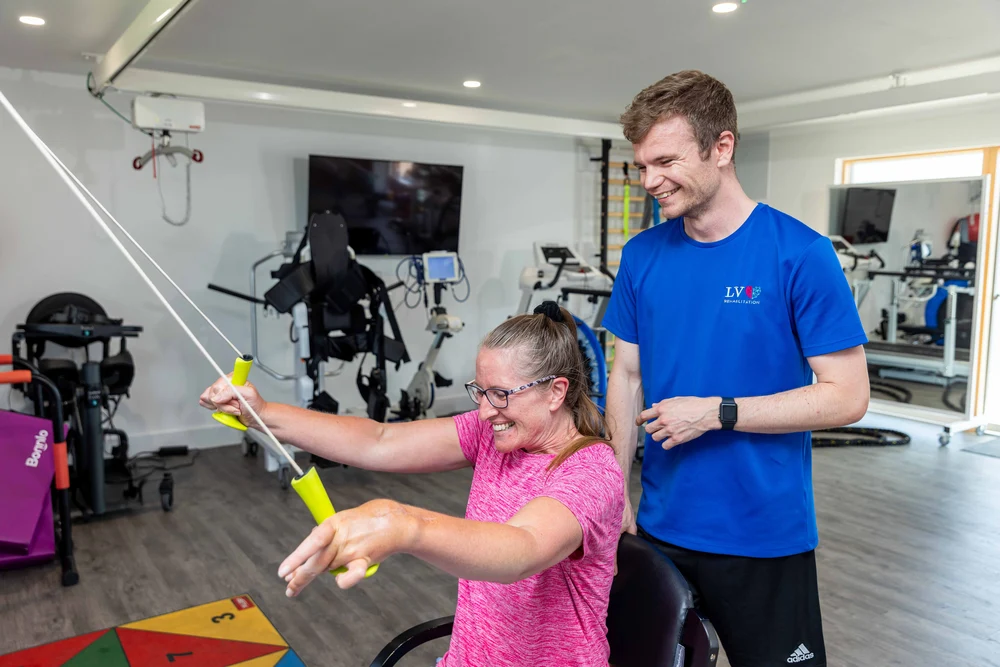
Next is the therapeutic exercise phase, where you’ll perform specific exercises under the physiotherapist’s guidance. These exercises are designed to strengthen your body, improve your balance, and enhance your flexibility, all essential for your journey towards independence.
Finally, the session concludes with a cool-down period, where you might engage in light stretching or relaxation techniques to help your body recover from the intense activities.
Throughout the session, your physiotherapist will consistently monitor your progress and adjust the treatment plan as necessary. Remember, your active participation and communication are key to achieving your rehabilitation goals. The path to recovery might not be easy, but with dedication and professional support, freedom and full mobility are achievable.

Importance of Consistent Therapy Sessions
While the journey to recovery through physiotherapy may be demanding, maintaining consistency in attending therapy sessions plays a pivotal role in achieving optimal results. Each session with your physiotherapist is designed to guide you gradually towards regaining your freedom of movement, and missing sessions could disrupt this carefully crafted process.
Regular attendance not only allows for the steady progression of your treatment plan but ensures any adjustments needed can be made promptly. Consistency also builds your physical strength and resilience, while fostering a discipline that is beneficial beyond the confines of the therapy room.
Moreover, consistent therapy sessions can heighten your psychological well-being. It is in these sessions that you celebrate small victories and milestones, boosting your morale and reinforcing your belief in the possibility of full recovery.
Lastly, remember that your physiotherapist is your ally in this journey. Regular interactions foster a strong patient-therapist relationship, which is integral to your recovery process. Your therapist’s knowledge of your progress can help tailor your treatment plan to your specific needs, ensuring that every step you take moves you closer to your ultimate goal – freedom from pain and disability.
Navigating Post-Therapy Self-Care
In the patient’s journey through physical rehabilitation, understanding post-therapy self-care becomes an essential element in maintaining the progress achieved during sessions. This aspect of recovery focuses on empowering you to take charge of your health beyond the confines of the rehab center, fostering a sense of independence and confidence.
To navigate post-therapy self-care successfully, it’s crucial to adhere to the exercise regimen and lifestyle modifications recommended by your physiotherapist. These personalized plans are designed to extend the benefits of therapy into your everyday life, enhancing your mobility and strengthening your body to prevent recurrence of injury.
Nutrition is another key component of post-therapy care. A balanced diet rich in proteins, vitamins, and minerals supports tissue repair and strengthens the immune system. Hydration, too, plays a vital role in maintaining muscle function and promoting overall well-being.
Conclusion
In conclusion, physiotherapy rehabilitation offers invaluable health benefits for patients experiencing diverse physical conditions.
Adequate preparation for initial visits, understanding of therapy sessions, consistency in attendance, and effective post-therapy self-care are integral elements in the treatment process.
Patients equipped with this knowledge can optimize their rehabilitation journey, significantly improving their overall physical wellbeing and quality of life.
About The Author