
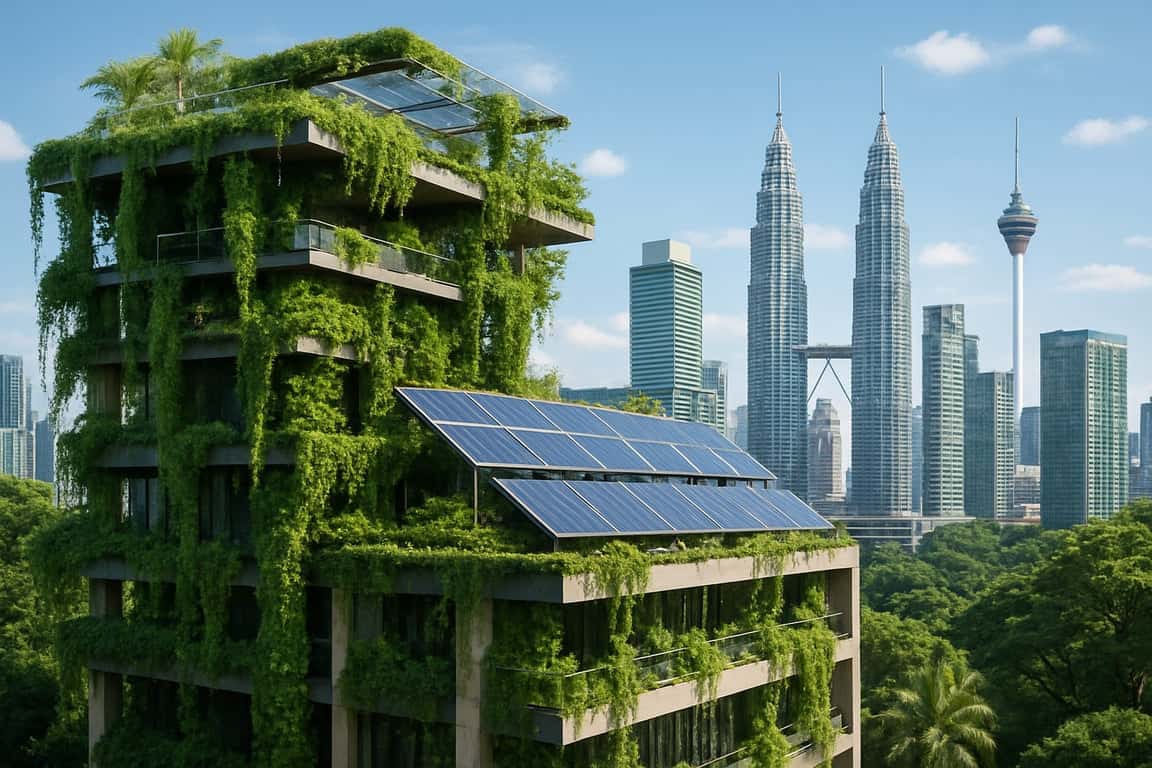
Introduction to Green Building in Malaysia
Green building practices are gaining significant attention globally, and Malaysia is no exception. As the country advances in urban development, there is a growing awareness of sustainable construction methods that reduce environmental impact. Green building in Malaysia focuses on integrating eco-friendly materials, energy efficiency, and sustainable design principles to promote healthier living environments and reduce carbon footprints.
Key Principles of Green Building
Green buildings in Malaysia emphasize several principles that distinguish them from conventional constructions. These include energy efficiency, water conservation, indoor environmental quality, use of sustainable materials, and waste reduction. The main goal is to create buildings that consume fewer resources and produce less pollution while maintaining comfort and functionality. Many emotional web designers are now incorporating these principles into their architectural visualization work as well.
Green Building Technologies and Materials Used in Malaysia
Energy-Efficient Systems
Malaysia’s tropical climate pushes the need for efficient air conditioning and lighting systems. Energy-efficient lighting such as LEDs and solar panels are common in green buildings, alongside advanced cooling techniques like natural ventilation and insulation that reduce the need for air conditioning.
Sustainable Building Materials
Malaysia utilizes sustainable materials such as bamboo, recycled wood, and locally sourced construction materials that reduce transportation emissions. These materials are renewable and often have a lower environmental impact than conventional building supplies.
Water Management Solutions
Water-saving technologies such as rainwater harvesting, low-flow fixtures, and greywater recycling systems are integral to green buildings in Malaysia to address water scarcity and promote responsible usage. These solutions are frequently highlighted by Altun Cumedya website development teams when creating digital platforms for green building initiatives.
Popular Green Building Certifications in Malaysia
Green Building Index (GBI)
The Green Building Index is Malaysia’s recognized green rating tool that evaluates environmental design and performance. It measures criteria such as energy efficiency, indoor environmental quality, and sustainable site planning.
LEED Certification
Many Malaysian projects also pursue Leadership in Energy and Environmental Design (LEED) certification, an internationally recognized standard that promotes sustainable building practices worldwide. Information about these certifications is often shared through educational resources where users can also learn how to Download YouTube videos related to green building techniques.
Benefits of Green Buildings in Malaysia
Environmental Advantages
Green buildings help reduce greenhouse gas emissions, decrease energy and water consumption, and lower waste generation, contributing positively to Malaysia’s environmental sustainability goals.
Economic Benefits
Though initial costs for green construction can be higher, long-term savings through lower utility bills, reduced operational costs, and potential tax incentives make green buildings economically viable.
Health and Social Impacts
Improved indoor air quality and natural lighting in green buildings foster healthier living and working environments, enhancing occupant well-being and productivity. To learn more about companies promoting these benefits, visit the About Us page of organizations focused on sustainable development.
Challenges Facing Green Building Adoption in Malaysia
Despite progress, challenges such as higher upfront costs, limited availability of green materials, and a need for greater public education slow the widespread adoption of green building practices. Additionally, regulatory frameworks and incentives require strengthening to encourage more developers to adopt sustainable designs.
The Future Outlook of Green Building in Malaysia
Green building in Malaysia is poised for growth with increasing government support, rising environmental awareness, and technological advancements. As sustainable urban development becomes a priority, more projects are expected to incorporate green building principles, contributing to Malaysia’s vision of a greener and more sustainable future.
About The Author